22 October 2026

Urinary Incontinence After Distribution There Are Services: Holistic Ob Gyn & Midwifery: Accredited Nurse Midwives

Presented by @angeloohvo663

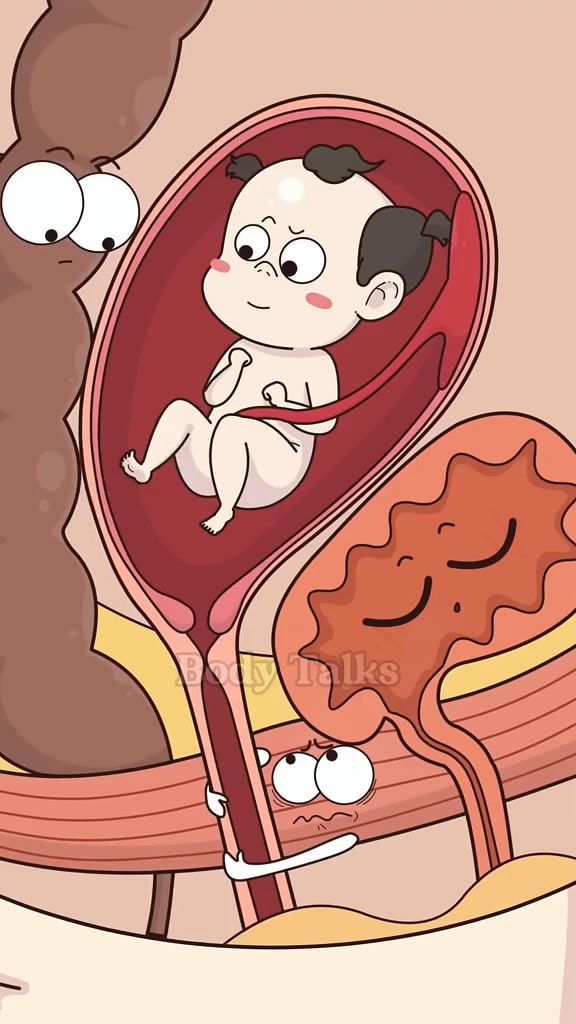
Urinary Incontinence After Childbirth: What You Need To Understand Obgyn Physician And Doctor Situated In Conroe, Tx Ob Gyn Affiliates Of Conroe You can never ever completely forecast what pregnancy, labor, distribution, and life will certainly bring. Our group is a trusted source for info - get in touch with us below. You can thank your broadening womb for taxing the bladder and making you spritz when you walk, talk, laugh and sneeze.

Various Sorts Of Postpartum Urinary System Incontinence

The journal might assist your doctor or registered nurse see patterns in the urinary incontinence that provide ideas concerning the possible cause and therapies that could benefit you. If you have urinary system incontinence, you can make a visit with your medical care carrier, your OB/GYN, or a registered nurse specialist. Your physician or nurse will certainly collaborate with you to treat your urinary incontinence or refer you to a professional if you require various therapy. Some women have bladder control troubles after they stop having periods. Researchers believe having reduced levels of the hormone estrogen after menopause might weaken the urethra.8 The urethra aids maintain urine in the bladder till you are ready to pee. Any type of weak point or damage to the urethra in a woman is more probable to cause urinary system incontinence.

What does a postpartum bladder prolapse feel like?

you have throbbing discomfort in your pelvic region or back. you have problem mosting likely to the bathroom. You might need to urinate a lot, have trouble emptying your bladder or digestive tract, or urinate unintentionally.

When To Speak With Your Doctor Concerning Postpartum Incontinence

  • Nonetheless, there are things you can do to assist manage it during your pregnancy.
  • Before treatment, it is essential that you speak to your doctor about postpartum urinary incontinence to better recognize exactly what's creating it.
  • This area gathers any information citations, information availability statements, or auxiliary materials consisted of in this write-up.
  • Nonetheless, 73% of ladies with UI 3 months post-partum still report UI at 6 years post-partum [6]
  • Giving appropriate recuperation before resuming extreme exercise protects against overstressing recuperating locations.
Keep in mind, a stronger pelvic flooring can much better sustain your uterus and bladder, which can suggest less leakages. However, before you choose to implement anything new, like Kegel exercises, make sure to seek advice from your physician initially. One of the very first therapy options is to reinforce the pelvic floor muscle mass. Almost fifty percent of all ladies that have a genital distribution program immediate recuperation of the nerves' capacity to bring messages to the pelvic muscles, and 60% will certainly have total resolution within 2 months. Nonetheless, in some females, the injured tissue does not recover 100% of pre-labor strength. For them, the chance of incontinence and the pain of pelvic prolapse developing later on in life are a lot more usual. Issues during labor and childbirth, specifically vaginal birth, can compromise pelvic flooring muscular tissues and harm the nerves that regulate the bladder. Most issues with bladder control that occur as an outcome of labor and distribution vanish after the muscles have actually had time to recover. If you're still having bladder problems 6 weeks after giving birth, speak with your medical professional, nurse, or midwife. This extra pressure on your bladder is known as tension urinary incontinence and this occurs when the bladder sphincter doesn't work well enough to hold in urine. If you have signs of postpartum incontinence, make a physician's consultation. While these bladder toxic irritants don't affect everybody similarly, you may notice even more leakages or discomfort after consuming them. Most consisted of studies revealed a moderate risk of bias, which influences the opportunity to set apart frequency between groups pertaining to risk of technical top quality. The mean occurrence of UI reported by studies with low and modest risk of bias did not differ. Nevertheless, the one high threat research study reported the highest occurrence of 63% [48] Due to the fact that a weighted occurrence number was determined, this high danger study with only 196 individuals and low response rate of 25.6% rarely influences the total occurrence of UI. We executed a systematic testimonial and meta-analysis of empirical researches (cross-sectional and associate researches) reporting on the frequency and incidence [17] of UI after delivery and experienced bother. This short article and its materials are attended to academic and informational objectives only and do not comprise clinical suggestions or expert solutions details to you or your medical condition. And obviously, Dr. Roberts will certainly additionally evaluate way of living changes you can make that could aid, also, like reducing high levels of caffeine and alcohol consumption. Aleece Fosnight, MSPAS, PA-C, CSC-S, CSE, NCMP, IF, HAES is a board-certified physician aide concentrating on sex-related medicine, women's health and wellness, and urology. Don't lean too much to one side or cross your legs when you're feeding your baby. It's a topic typically shrouded in silence, leaving many women feeling isolated and not sure where to turn. Making use of pads or liners is a useful temporary technique while you execute other therapies and way of life modifications to Lazy bladder syndrome boost bladder control. If Learn more your signs don't boost with other treatments, you and your doctor may think about surgery. There are numerous kinds of procedures that raise and support the urethra or bladder neck, making it less complicated to prevent leaks throughout activities that tax your bladder. Your doctor can speak with you about the potential benefits and threats, and help you decide what method is best for your demands and preferences. As the child grows, the expanding uterus triggers stress on the bladder listed below it. This extra tension on the bladder makes it easier for any additional effort, such as laughing, sneezing or working out, to press urine out of the bladder.